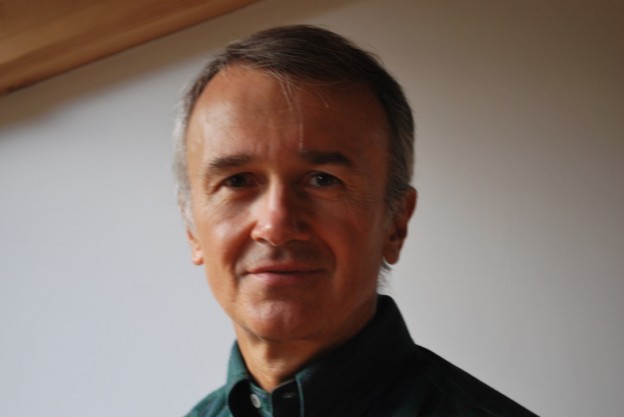
Gian Maurizio Argenziano " I Turnarounds"

La riforma della normativa fallimentare ha consentito agli investitori istituzionali di operare in un settore nel quale sono sempre stati assenti per i rischi civili e penali a carico dei professionisti del private equity in caso di fallimento dell' impresa acquisita nel precedente complesso contesto giuridico.

La giurisprudenza e il mercato sono tuttora in fase di maturazione, di comprensione dei cambiamenti introdotti dalla riforma e di superamento della prassi  liquidatoria da parte di Tribunali.

A fine 2009, le imprese italiane con fatturato compreso tra i 20 e i 200 milioni di Euro erano circa 7.800 (f.te Aida), di queste ben 3060 avevano un rapporto Ebtda/indebitamento netto maggiore di 5x, 1077 presentavano anche una patrimonializzazione pari a un terzo dei debiti, e 330 anche un indice di copertura degli interessi inferiore a 1.

Il sistema industriale italiano, tradizionalmente frammentato, sta vivendo cambiamenti strutturali e le operazioni di "Turnaround" possono giocare un ruolo cruciale in questo processo di rinnovamento.


Leggi tutto...
 
Gian Maurizio Argenziano

Aziendalista e investitore in iniziative imprenditoriali, ha supportato numerose imprese nel definire e la realizzare sia strategie di sviluppo che di risanamento. E' un pioniere dell'invesimento in capitale di rischio dove è stato tra i primi ad operare già alla fine degli anni '80. Da allora ha contribuito alla crescita e alla gestione di aziende in vari settori e in diverse localizzazioni geografiche, operando prevalentemente nel ruolo di azionista di controllo di medie imprese. Ritiene che i cambiamenti di mercato siano spesso delle opportunità per chi riesce ad avere visione strategica, capacità di implementazione ed essere "first mover". Durante la sua carriera ha guidato le operazioni di investimento in capitale di rischio di grandi investitori globali e nazionali.

Dal 1987 è stato presidente e/o amministratore di imprese di diversi settori acquisite per conto di investitori di Private Equity o in proprio. Attualmente è A.D. di ALCapital. Nel 2006 fonda MidIndustry di cui e' stato A.D. ed e' tuttora tra i maggiori azionisti. Dal 2001 al 2005 A.D. di ABNAMRO Capital S.p.A. e nel comitato preposto alle attivita' di Private Equity globali del Gruppo. Dal 1997 al 2001 Presidente prima e A.D. poi, di Eptaventure S.p.A. Precedentemente A.D. di Heller/GE e advisor in Accenture. Già presidente della Commissione Tax&legal di A.I.F.I., dove e' stato anche Consigliere Direttivo per 10 anni. Laureato con lode in Economia Aziendale presso l’Università di Pavia, dal 1998 è professore a contratto presso il Master in Finanza dell’Università di Castellanza. Dottore commercialista e revisore dei conti.


Fondi, ecco il nostro avvocato di fiducia ideale

Che cosa chiedono al loro legale alcuni dei piÙ noti private
equity.
Quello che conta, dicono a MF PE, non è lo studio, ma l'uomo.
Che deve essere presente e pragmatico. Un consigliere il cui
ruolo è sempre più importante
È un rapporto di amore odio quello tra i fondi di private equity e i
loro avvocati. Consiglieri considerati sempre più indispensabili,
ma a volte così cavillosi, tanto da mettere a repentaglio la
chiusura di un deal. MF Pe ha chiesto ad alcuni dei più noti
partner di fondi attivi in Italia di dire la loro sul tema. E quello che
è emerge è che alla fine conta l'uomo, non lo studio.
Che cosa piace in uno studio legale ... Tutti cercano
competenza, disponibilità, costi ragionevoli. In particolare
Matteo Carlotti (Argos Soditic) segnala la necessità che lo studio
legale sia anche business minded cioè attento a proteggere i
nostri interessi ma sufficientemente duttile e creativo per
contribuire a farci chiudere il deal, poiché c'è il rischio che un
avvocato, impuntandosi su aspetti relativamente marginali,
possa alla fine far saltare la trattativa'. Mentre Luigi Sala (BS
private equity) ama la capacità di essere reattivi e di poter
mobilitare risorse quando serve (per esempio nelle aste
competitive), sempre più la capacità/possibilità di assistere a
livello internazionale (pochi deal oramai sono solo domestici)'.

Leggi tutto...
 
About as

Executive Summary

Argenziano is an entrepreneur and an investor in private and public companies. He supported several entrepreneurs and management teams in setting up and implementing both “development” and “turnaround” strategies”.

As PE professional, Argenziano pioneered the private equity industry in the late 80s and managed several investments in a variety of industries and locations, mainly controlling interests in medium-size companies. He founded/managed the start up of new private equity players and he led the international operations of large institutional investors. Argenziano acted as executive and non-executive board member in several companies, including listed companies.

The track record of Argenziano, assessed by one of the "Big Four", registered a performance significantly above the PE industry over a time-frame exceeding 20 years. Business knowledge and direct involvement in management has been key to perform superior returns. Fairness and transparency are notably part of Argenziano's business approach.

Chronology

2011, to-date, ALCapital (ALC) managing partner. ALC performs PE investments in innovative businesses with a focus on growth and parterships with selected investors.

2006, to-date, MidCapitalPartner (MCP) owner and CEO. MCP performs private investments in public equity. In 2006, MCP has been equity sponsor of MID, an investment company listed in 2007 in the Milan Stock Exchange (part of the LSE) with the advise of Mediobanca (AllenOvery acted as legal advisor). MID project was born to adopt a longer investment cycle strategy focused in enhancing operating margin instead of financial leverage. MID IPO pioneered the FTSE MIB “Investment Company” segment. Argenziano served as managing partner and executive board member of MID until 2010. MCP is today one of the largest voting shareholder in MID.

Between 2001 and 2005, executive member of the European Engagement Committee of ABN AMRO Capital in Amsterdam, the private equity division of ABN AMRO Bank N.V. with ca. Euro 2.5 bn Portfolio under management. In 2001, ABN AMRO Capital strategy focused on controlling/majority investments (abandoning the strategy of “follower, minority investor”). In the 2001/2005 period, the division realised 26 investments and 22 disinvestments in continental Europe, UK, US, South America and Australia. In the same period, Argenziano served also as managing director of ABN AMRO Capital S.P.A. (AAC), an entity controlled by ABN AMRO for the operations of private equity in Italy. Between 2002 and 2005, ABN AMRO Capital S.P.A (has exclusive advisor of ABN AMRO Venture N.V and ABN AMRO Italian PE Fund N.V.) has acquired majority interests in 5 Italian companies investing more than Euro 250 million, and has exited 3 investments (AAC also acted as portfolio manager for 6 investments previously acquired in Italy from ABN AMRO Venture N.V.). As portfolio company board member, he has been involved in some emerging markets operations.

Between 1997 and 2001, President and CEO of Eptaventure S.P.A., the P.E. arm of EptaFund SGR (today part of IntesaSanPaolo), an asset management company with (the equivalent of) Euro 12 billions under management. Following the new Italian legislation, Eptaventure S.P.A. raised the first P.E. closed-end Funds. In that period, the company executed 8 investments and 2 exits, mostly as a leading investor in majority participations in medium size companies.

Between 1991 and 1996, as managing director of Heller Investments, the European subsidiary and P.E. advisory company of Heller Financial Corp. of Chicago, U.S. (today part of the General Electric Corp.), Argenziano experienced the set up of European P.E. operations (appointment of management teams….) in Germany, France and Italy. From 1991 to 1993 Heller Financial has acquired controlling interests in 7 medium size European companies, 6 of which were sold between 1994 and 1997.

Between 1985 and 1990, IMI Group (today part of IntesaSanpaolo). In the period from 1987 to 1990, he has executed equity investments in unquoted companies (including sourcing and managing the Country’s first management buy-out in the food industry, than sold to United Biscuits of UK).

Argenziano has begun its career in 1984 as corporate advisor in Arthur Andersen Consulting (today Accenture).

Education

Graduated “cum Laude” in Economy and Business Administration in the University of Pavia, Italy, Argenziano attended several business executive education programs in US, UK and worldwide.

Since 2001 Argenziano is “Visiting Professor” of the University of Castellanza (LUIC), where he holds lessons in the “Master in Finance” program.

Languages. French, Italian

Other

Between 1996 and 2006 Argenziano has been member of the board of the National Private Equity Association (AIFI), where it has also been President of the Tax&Legal committee.

He is licensed Auditor, member of the Auditors’ National Association, and Business Advisor.

52, Italian Passport, married with 2 children.

Ultimo aggiornamento ( Sabato 12 Maggio 2012 12:30 )
 
Tutti i trucchi per creare più valore per l'impresa

Non è sufficiente incassare un alto irr. l'azienda deve
crescere davvero
Cruciale come la performance economica dell'azienda è
l'introduzione di metodi di miglioramento della gestione e di una
vera corporate governance
È possibile codificare i termini di un'esperienza di successo
quando si parla di un'operazione di private equity? A essere
venali, la risposta sarebbe banalmente sì: basta guardare all'Irr.
Se le percentuali di rendimento stanno nel quartile più alto
rispetto al mercato, non c'è dubbio che il fondo ha fatto il suo
lavoro per i suoi investitori. Quanto al fatto che abbia fatto anche
il bene dell'azienda, però, non è detto...
È per questo che l'Aifi, l'associazione che riunisce gli investitori
italiani in capitali di rischio, ed Ernst&Young hanno deciso di far
compilare un questionario molto dettagliato, che va oltre all'Irr
incassato dal fondo, a tutti i fondi che avessero voluto
partecipare al premio Claudio Demattè Private equity of the year
2004 da loro promosso e poi consegnato ai vincitori Cape-
Natexis, Apax partners e Abn Amro, lo scorso 4 novembre.

Leggi tutto...
 
  • «
  •  Inizio 
  •  Prec. 
  •  1 
  •  2 
  •  Succ. 
  •  Fine 
  • »


Pagina 1 di 2

Your are currently browsing this site with Internet Explorer 6 (IE6).

Your current web browser must be updated to version 7 of Internet Explorer (IE7) to take advantage of all of template's capabilities.

Why should I upgrade to Internet Explorer 7? Microsoft has redesigned Internet Explorer from the ground up, with better security, new capabilities, and a whole new interface. Many changes resulted from the feedback of millions of users who tested prerelease versions of the new browser. The most compelling reason to upgrade is the improved security. The Internet of today is not the Internet of five years ago. There are dangers that simply didn't exist back in 2001, when Internet Explorer 6 was released to the world. Internet Explorer 7 makes surfing the web fundamentally safer by offering greater protection against viruses, spyware, and other online risks.

Get free downloads for Internet Explorer 7, including recommended updates as they become available. To download Internet Explorer 7 in the language of your choice, please visit the Internet Explorer 7 worldwide page.